
Kate Wade on Deniable Work: Why Senior Women’s Work Goes Unseen

Kate Wade knows a woman can run a $200 million P&L inside a Fortune 500 company and still leave the evidence off her résumé.
A senior woman sends a document that says she “collaborated cross-functionally.” Kate reads the story underneath: she got three vice presidents to agree on a launch date, shipped before the fiscal year closed, and held a decision together when no one else could.
“Let’s put that on paper before someone builds the reorg spreadsheet without you on it,” Kate tells her.
That is the work of Get Her Hired. Kate Wade helps senior women, thems, and cool men name the work that has been felt across an organization but never properly credited. Her ambition is to help 10,000 people land their next boss roles and shift who is visible in the rooms where money and power are decided.
Senior Women Don’t Have a Confidence Problem
Kate does not think most senior women have a confidence problem. She thinks they have a language problem.
After watching career decisions unfold inside a Fortune 200 company, she saw that the people who advanced were not always doing the most consequential work. They were the people whose work had been positioned in terms the market recognized.
Women are often trained to soften their contribution. They say they “supported,” “coordinated,” or “collaborated.” Yet the actual work may have protected revenue, resolved conflict, aligned leaders, or moved a major launch forward.
Kate’s role is to translate that work into language that makes its value clear.
What Is Deniable Work?
Kate calls it deniable work: real, load-bearing work that people feel across an organization but struggle to name on paper.
Her survey of 107 senior women found that 36% described themselves as “the connective tissue.” Their work held teams, decisions, and relationships together. However, it did not always appear in a résumé, performance review, promotion deck, layoff spreadsheet, or AI screener.
Unnamed work is easy to overlook. A vague story becomes evidence of leadership, judgment, influence, and value when women can name what they actually moved.
Fix the Sentence, Skip the Personal-Brand Reset
Kate’s message is clear: fix the sentence. Skip the retreat.
Many women are told they need more confidence or another personal-brand reset. However, the women Kate works with have already led through complexity. Their work is simply being described in language that understates what they carry.
A wrong sentence can take an afternoon to fix. A narrative that frames a capable woman as “not confident enough” can cost years, income, and opportunity.
This is not a personality problem. It is a positioning problem. Name the work, claim the work, and put it where career systems can read it.
A Career Transition Story: From Being Picked to Choosing
One client, Erin, came to Kate while trying to leave a difficult Fortune 500 environment. The strain showed up in every interview answer. The message underneath was not, “Here is what I can build.” It was, “Please save me.”
Kate and her team rewrote Erin’s positioning and rebuilt relationships that had gone cold. Then, instead of using a generic script, Erin tailored her answers to the person in front of her.
She stopped positioning herself to be picked and started positioning herself to choose.
Erin hired a lawyer to negotiate her exit package. Later, she pitched Kate a product idea for women in transition. She was no longer asking whether she deserved the room. She was deciding what she would build inside it.
Will AI Make Invisible Work Harder to See?
AI did not create deniable work. However, Kate believes it could make the problem faster and harder to reverse.
Career systems already rely on named work: résumés, reviews, promotion decks, and layoff lists. AI can add another layer by sorting people according to work that is easily categorized and measured.
The risk is not that women’s work lacks value. The risk is that coordination, translation, relationship-building, and institutional memory remain invisible because they are harder to name.
Kate’s September 2026 whitepaper, You’re Not Replaceable. You’re Deniable., examines that gap through responses from 107 senior women. It asks whether essential work is legible to the systems evaluating it.
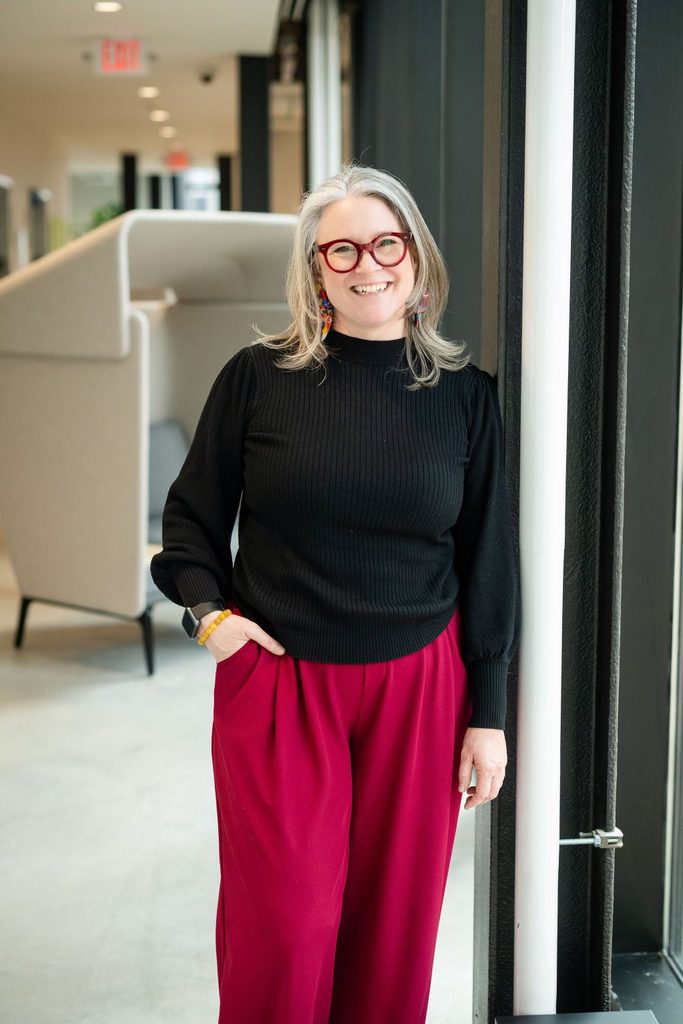
Why Kate Builds With Empressa
For Kate Wade, Empressa is part of the answer.
Women cannot wait for AI to become fair. They need to be in the rooms where it is built, measured, and applied. The Imperial Council brings women’s lived expertise into the architecture of the intelligent future.
Kate’s mission is to help women write themselves in language the machine can read without denying their work.
About Kate Wade, Founder of Get Her Hired
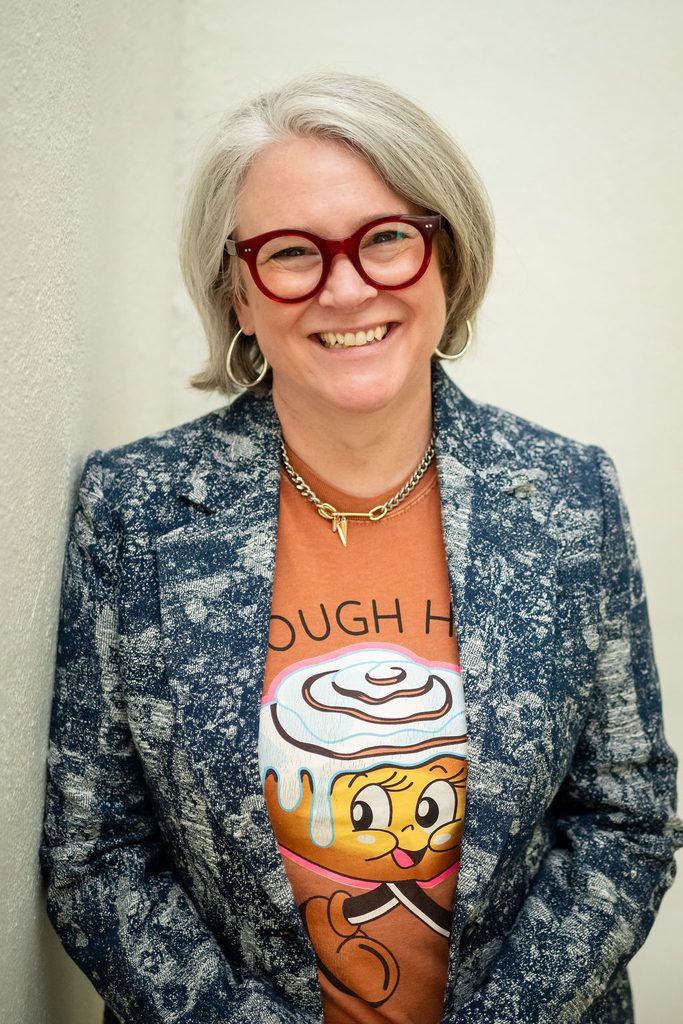
Kate Wade is the founder and CEO of Get Her Hired, a résumé, CV, and LinkedIn firm for women, thems, and cool men pursuing director-level and executive roles at Fortune 500 companies. Her upcoming whitepaper, You’re Not Replaceable. You’re Deniable., draws on responses from 107 senior women to name the risk AI is exposing: essential work that is felt across an organization but left undocumented.
Connect with Kate
- Website: Get Her Hired
- LinkedIn: Kate Wade
- YouTube: Get Her Hired